

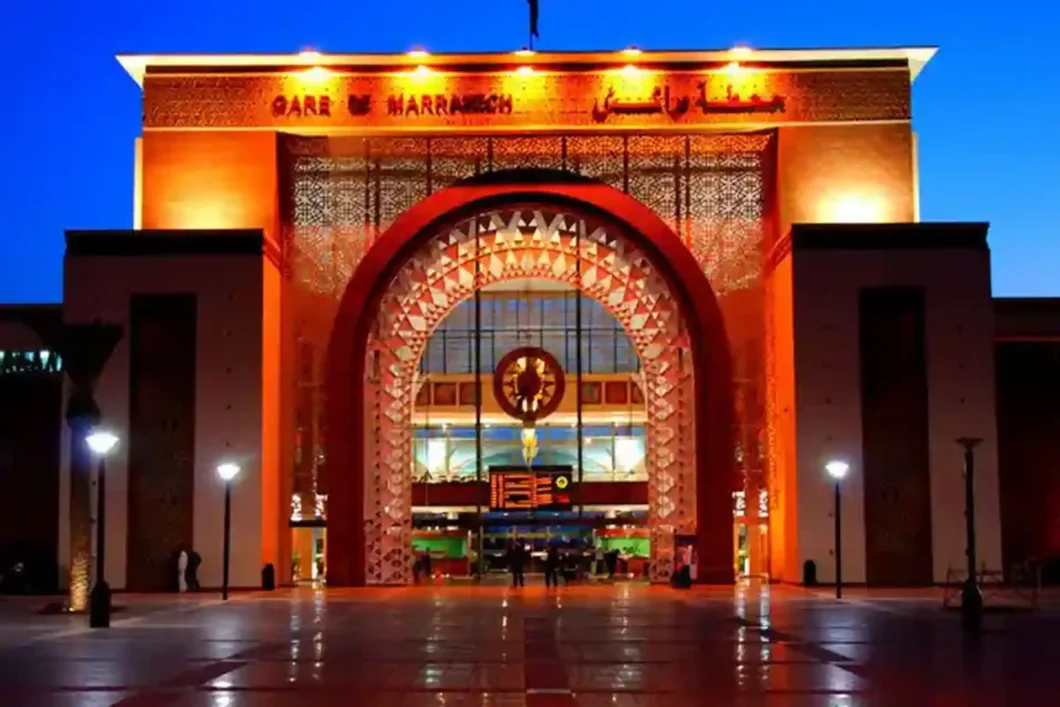
Thinking about exploring Morocco by rail? Taking the train in Morocco is one of the smartest ways to travel between major cities. Fast, affordable, and surprisingly comfortable, the Moroccan railway system connects all the destinations you actually want to visit.
I’ve taken the Marrakech to Casablanca train more times than I can count. And every single time, I’m impressed by how smooth the journey is. No traffic jams. No stressful driving through chaotic medinas. Just sit back, watch the Moroccan landscape roll by, and arrive refreshed.
Whether you’re planning a quick hop between imperial cities or a longer journey across the country, this guide covers everything you need to know about ONCF trains, ticket prices, schedules, and my honest tips after years of rail travel in Morocco.
Morocco’s national railway company, ONCF (Office National des Chemins de Fer), operates an impressive network that keeps getting better. The introduction of the Al Boraq high-speed train changed everything. Suddenly, traveling from Tangier to Casablanca takes just over two hours instead of five.
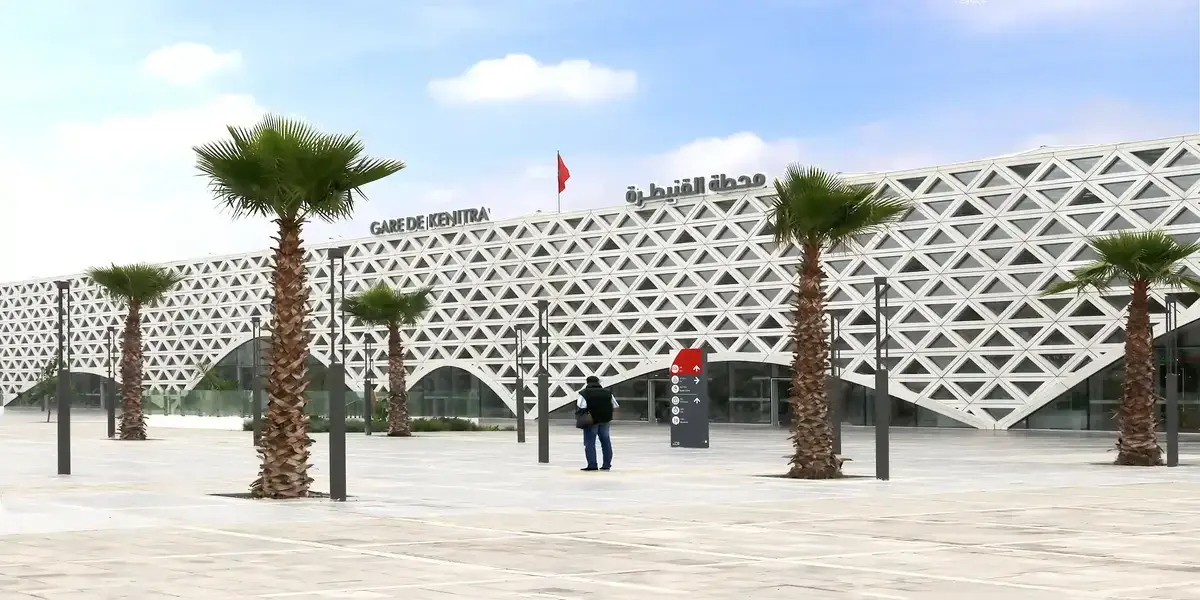
Modern ONCF train station in Morocco — your gateway to comfortable rail travel
Why Tourists Love Train Travel in Morocco
So why are more and more travelers choosing the train in Morocco over other options? After countless journeys, I can tell you exactly why this has become my favorite way to get around.
- Speed — Al Boraq reaches 320 km/h, making it Africa’s fastest train
- Comfort — Air conditioning, spacious seats, and onboard café
- Reliability — Trains run on schedule, departures every hour on main routes
- City center access — Stations located in the heart of each city
- Affordable — Much cheaper than flying between cities
- Scenic views — Watch Morocco’s diverse landscapes from your window
If you’re debating between renting a car in Morocco or taking the train, consider this: trains eliminate the stress of driving in Morocco while still getting you where you need to go efficiently.
Quality of Morocco’s Railway Network
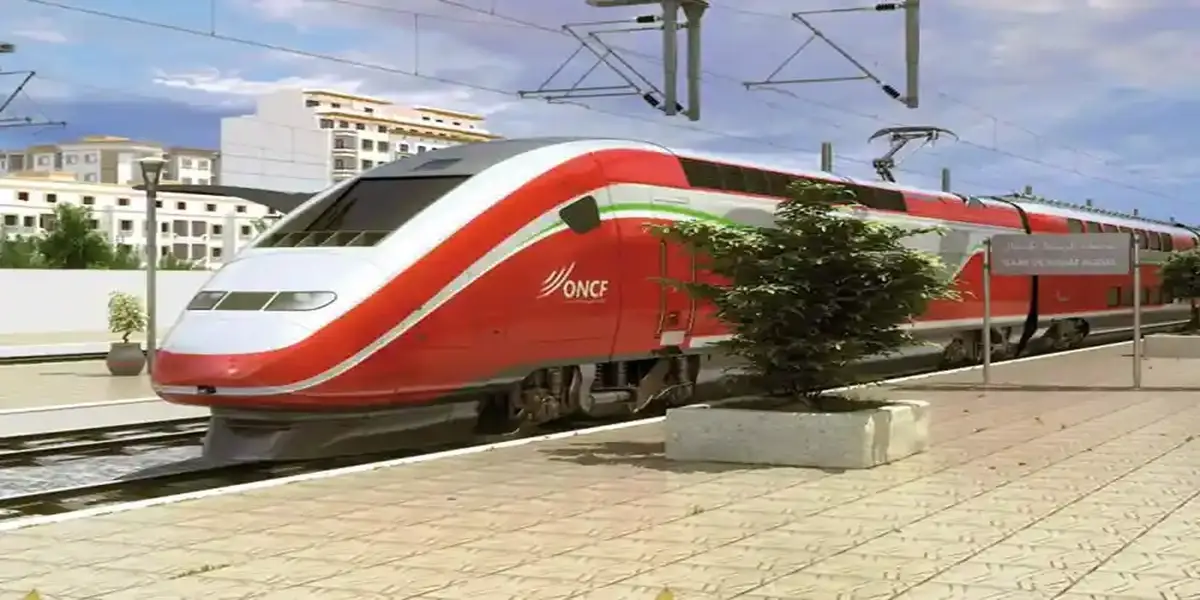
Al Boraq — Africa’s first high-speed train connecting Tangier to Casablanca
Morocco has invested heavily in its rail infrastructure over the past decade. The result? A modern, efficient network that rivals many European countries. Here’s what you can expect from ONCF trains in 2025.
Main Railway Lines
The ONCF network covers the most important tourist corridor:
- Northern Line: Tangier — Kenitra — Rabat — Casablanca
- Central Line: Casablanca — Settat — Marrakech
- Eastern Line: Casablanca — Meknes — Fes — Oujda
- Atlantic Line: Casablanca — El Jadida (limited service)
Al Boraq vs Al Atlas: Which Train to Choose
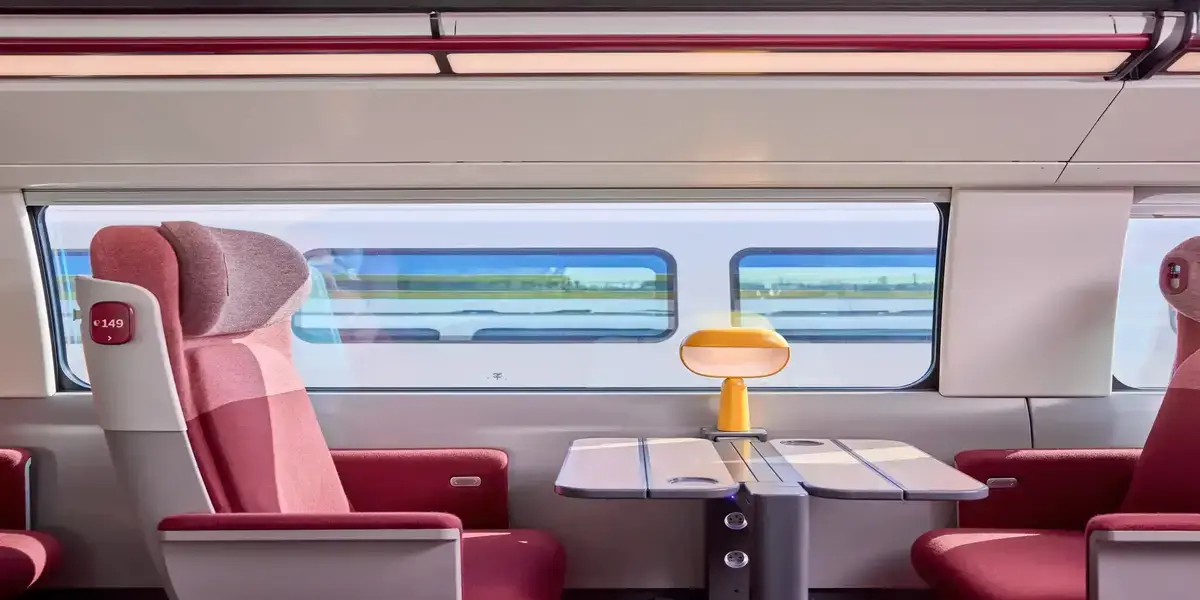
First class interior on Moroccan trains — comfortable seating for long journeys
Morocco operates two main types of trains, and understanding the difference will help you plan better. The Al Boraq is the star of the show, but Al Atlas trains serve routes the high-speed line doesn’t reach.
<
Al Boraq (High-Speed Train)
The Al Boraq is Africa’s first high-speed train, launched in 2018. Named after a mythical creature from Islamic tradition, it lives up to its legendary name.
Key features:
- Maximum speed: 320 km/h
- Route: Tangier — Kenitra — Rabat — Casablanca
- Journey time: Tangier to Casa in 2h10
- Two classes: First and Second
- Onboard café car
- Power outlets at every seat
- Free WiFi
- Spacious luggage areas
p>
Most Popular Train Routes for Tourists
Not sure which routes to include in your Morocco itinerary? These are the train journeys that tourists take most often, and for good reason.
Marrakech to Casablanca Train
The Marrakech to Casablanca train is probably the most traveled tourist route. Multiple departures daily make it incredibly convenient.
- Duration: 2h30 — 3h
- Frequency: Every 1-2 hours
- Train type: Al Atlas
- Scenery: Plains, agricultural land, occasional villages
p>
ONCF Prices: What Train Tickets Cost in 2025
ONCF prices are very reasonable compared to European standards. Here’s what you can expect to pay for the most popular routes. These prices make the train in Morocco an excellent budget option.
Al Atlas (Conventional) Prices
| Route | 2nd Class (MAD) | 1st Class (MAD) |
|---|---|---|
| Marrakech — Casablanca | 95 | 145 |
| Casablanca — Fes | 125 | 190 |
| Casablanca — Rabat | 45 | 70 |
| Fes — Meknes | 25 | 40 |
| Rabat — Fes | 95 | 145 |
Al Boraq (High-Speed) Prices
| Route | 2nd Class (MAD) | 1st Class (MAD) |
|---|---|---|
| Tangier — Casablanca | 229 | 329 |
| Tangier — Rabat | 189 | 269 |
| Tangier — Kenitra | 149 | 219 |
| Casablanca — Rabat | 79 | 119 |
p>
How to Buy ONCF Tickets
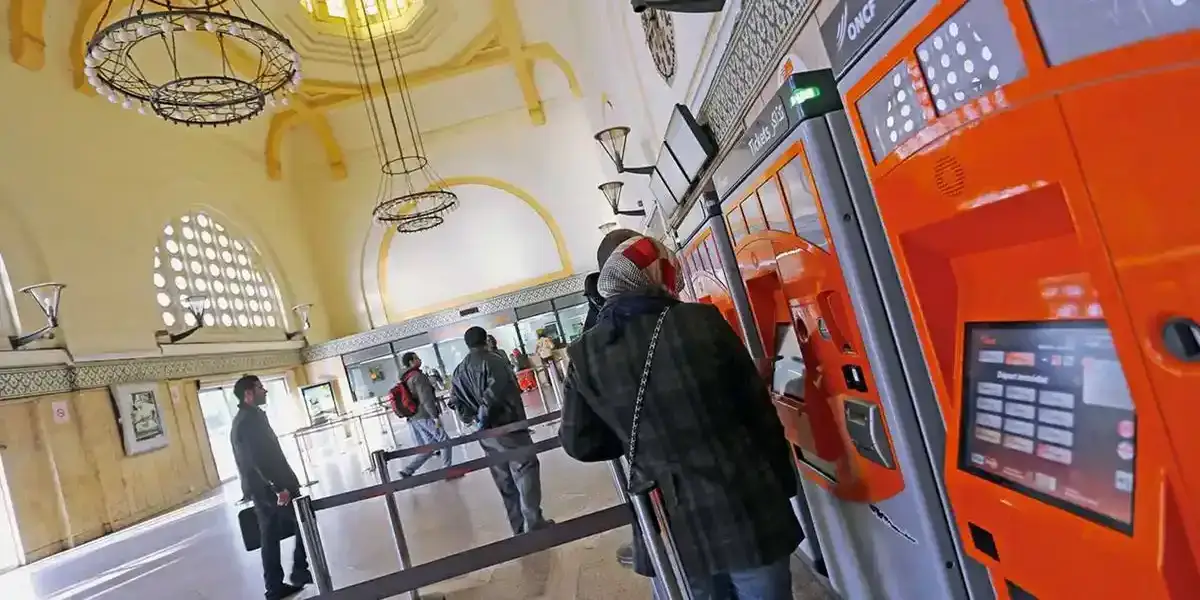
ONCF ticket machines available at major stations for quick purchases
Buying your ONCF tickets is straightforward. You have several options depending on your preference. I personally recommend booking online for Al Boraq trains, but station purchases work perfectly fine for Al Atlas routes.
Online Booking
The easiest way to buy ONCF tickets in advance:
- Visit oncf-voyages.ma
- Select departure and arrival stations
- Choose your date and preferred time
- Select class (1st or 2nd)
- Enter passenger details
- Pay with credit/debit card
- Receive e-ticket by email
Advantages of online booking:
- Guaranteed seat on busy routes
- Skip ticket counter queues
- Access to all available departures
- Easy to compare prices
p>
Comfort and Punctuality on Moroccan Trains
What’s it really like riding the train in Morocco? After dozens of journeys, here’s my honest assessment of what you can expect in terms of comfort and timing.
First Class vs Second Class
First Class:
- Wider seats with more legroom
- 2+1 configuration (three seats per row)
- Quieter carriages
- Power outlets more reliable
- Worth the extra 50-100 MAD on long journeys
Second Class:
- Comfortable but narrower seats
- 2+2 configuration
- Can get crowded during peak times
- Perfectly fine for journeys under 2 hours
- Best value for budget travelers
Safety on Moroccan Trains
Is the train in Morocco safe? The short answer is yes. Rail travel in Morocco is very secure, and I’ve never felt unsafe during any journey.
General Safety
- Crime on trains: Very rare, petty theft uncommon
- Staff presence: Conductors patrol carriages regularly
- CCTV: Cameras in stations and some carriages
- Police: Present at major stations
Practical Safety Tips
- Keep valuables in your carry-on bag, not overhead
- Stay aware of your belongings at stations
- Use the luggage racks within your sight
- Lock large bags if storing at carriage ends
- Don’t leave electronics unattended when visiting café car
p>
Train Schedules and Timetables
Finding ONCF schedules is easy once you know where to look. Here’s how to plan your Morocco train journey timing.
How to Check Schedules
Online:
- Visit oncf-voyages.ma
- Use the journey planner
- Select your route and date
- View all available departures
Mobile App:
- Real-time schedule updates
- Delay notifications
- Save frequent routes
At Stations:
- Electronic departure boards
- Printed timetables at information desks
- Staff assistance available
Typical Operating Hours
- First trains: Around 6:00 AM
- Last trains: Around 9:00-10:00 PM (varies by route)
- Peak frequency: 7-9 AM and 5-8 PM
- Weekend service: Slightly reduced frequency
p>
Practical Tips for Train Travel in Morocco
After years of taking the train in Morocco, here are my best tips to make your journey smooth and enjoyable.
Before Your Trip
- Book Al Boraq in advance — Popular times sell out
- Download offline maps — Station WiFi can be unreliable
- Check schedules the night before — Confirm your departure time
- Bring snacks and water — Café car can be pricey
- Pack a light jacket — AC can be very cold
At the Station
- Arrive 20-30 minutes early — Time to find your platform
- Check the departure board — Platform numbers can change
- Keep your ticket handy — Inspectors check before boarding
- Use official taxis — Queue at designated stands outside
During the Journey
- Store luggage securely — Use overhead racks or designated areas
- Keep valuables with you — Don’t leave bags unattended
- Try the café car — Good coffee and snacks
- Enjoy the scenery — Morocco’s landscapes are beautiful
Know Your Stations
- Casa Port station Casablanca — Central location, best for medina access
- Casa Voyageurs — Main hub, more connections
- Marrakech train station — Modern, close to medina and Gueliz
- Fes Ville — Near the new city, taxis to medina
- Rabat Ville — Central, walkable to attractions
Train vs Other Transport Options
How does the train in Morocco compare to other ways of getting around? Here’s my honest comparison based on experience.
Train vs Bus
| Factor | Train | Bus (CTM) |
|---|---|---|
| Speed | Faster | Slower |
| Comfort | More spacious | Good but cramped |
| Price | Similar | Slightly cheaper |
| Network | Major cities only | More destinations |
| Reliability | Excellent | Very good |
Train vs Rental Car
Choose the train if:
- You’re traveling between major cities on the rail network
- You prefer not to drive in Moroccan traffic
- You’re traveling solo or as a couple
- You want to relax during travel time
Choose a rental car if:
- You’re visiting places not on the rail network (Chefchaouen, Sahara, Essaouira)
- You’re traveling with family or in a group
- You want maximum flexibility
- You’re comfortable with driving in Morocco
For comprehensive Morocco road trip logistics, combining trains with car rental often works best.
Final Thoughts on Train Travel in Morocco
Taking the train in Morocco is one of the best decisions you can make for intercity travel. The combination of comfort, affordability, and reliability makes ONCF trains a fantastic option for tourists exploring this beautiful country.
The Al Boraq high-speed train is genuinely world-class, while the Al Atlas conventional trains offer solid service on routes like the popular Marrakech to Casablanca train. With easy online booking and reasonable ONCF prices, there’s really no reason not to try it.
My advice? Use trains for the major city-to-city connections, then rent a car or take buses for the places rail doesn’t reach. It’s the perfect combination for a Morocco adventure.
Have questions about train travel in Morocco? Drop them in the comments below!